
















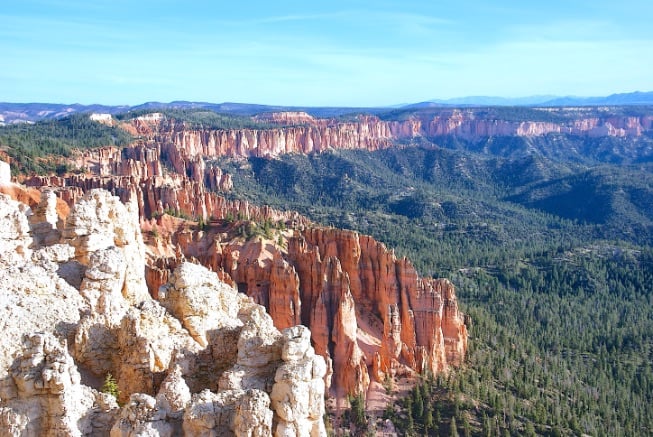
We spent a week in southern Utah’s amazing Mighty 5 National Parks and several other special attractions in May. The Utah National Parks we visited included Arches National Park, Canyonlands National Park, Capitol Reef National Park, Bryce Canyon National Park, and Zion National Park. We also visited other amazing sights outside the National Parks, like spectacular Dead Horse Point State Park, Escalante, Potash Road, and other special places in southern Utah.
Watch my video and listen to my song about the Amazing Arches National Park.
Arches National Park in Moab, Utah
After flying into Las Vegas, Julie and I drove about seven hours through St. George and onto Moab, the charming town that is the gateway to Arches National Park. We stayed at the My Place Moab, a newer hotel on the north side of town, less than five minutes from the entrance to Arches NP – perfect for exploring Arches National Park.
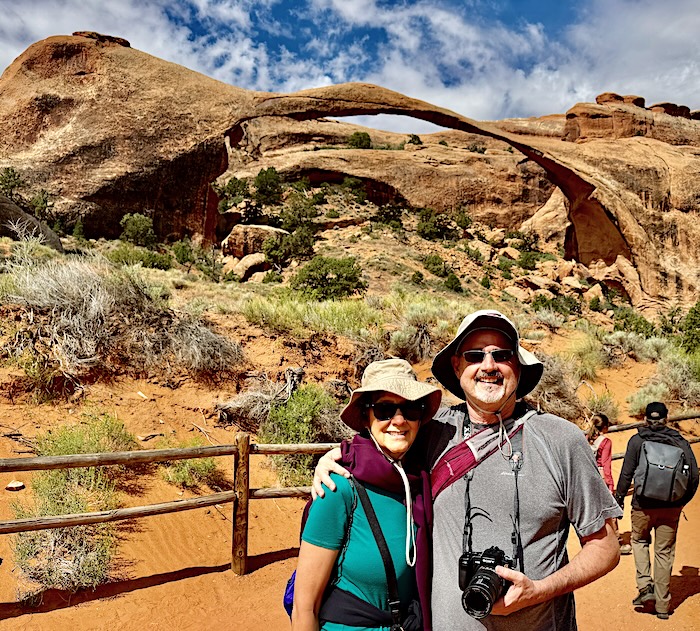
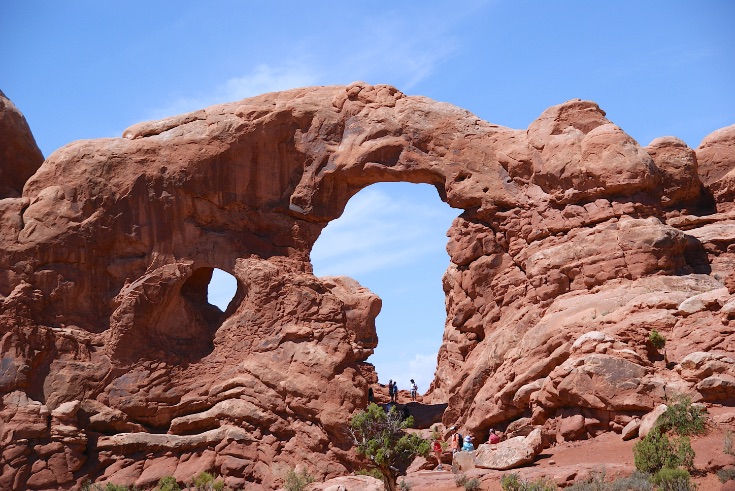
Arches National Park is a breathtaking landscape of more than 2,000 natural sandstone arches, towering fins, and dramatic red-rock formations. Highlights include the iconic Delicate Arch, a symbol of Utah’s wilderness, the massive Landscape Arch, and the scenic Windows and Turret Arch area. We explored Balanced Rock, Park Avenue’s towering canyon walls, Fiery Furnace’s maze-like formations, and stunning overlooks along the park road. Sunrise and sunset transform the red cliffs into glowing shades of orange, gold, and crimson, creating unforgettable views for photographers and adventurers.
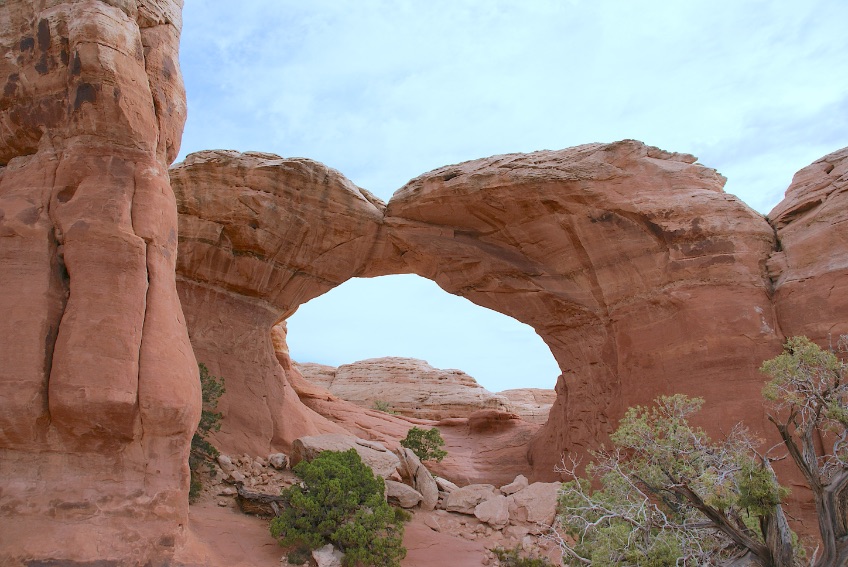
One of my Wow! moments was when a saw the clear outline of the continent of Africa in the main window of Turret Arch as we hiked from the North Window to Turret. See this remarkable view in the video above. We were also impressed with the before and after photos of Skyline Arch, showing where a huge boulder fell from the inside of the arch in 1940, increasing the open space below the arch.
Amazing Potash Road Near Arches
After having a great time in Arches, we took a short drive along nearby Potash Road. This scenic 17-mile drive has some incredible views, with the Colorado River hugging one side of the road and towering rock cliffs on the other. At several stops along the road, visitors (including us) were marveling at the numerous petroglyphs carved on the walls by early Native Americans. Potash Road is also where hikers can enjoy the 1.5-mile hike (3 mile roundtrip) to Corona Arch, considered one of the best hikes and arch near Moab (but not inside Arches NP). We turned around where the Potash Road paved road portion ended and returned to Moab, but we could have continued on the dirt and gravel Shafer Road into Canyonlands NP. An all wheel drive with high clearance vehicle is highly recommended to continue on this unpaved portion of the Shafer Trail.
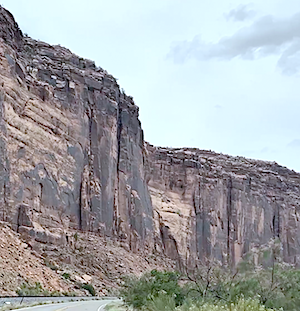
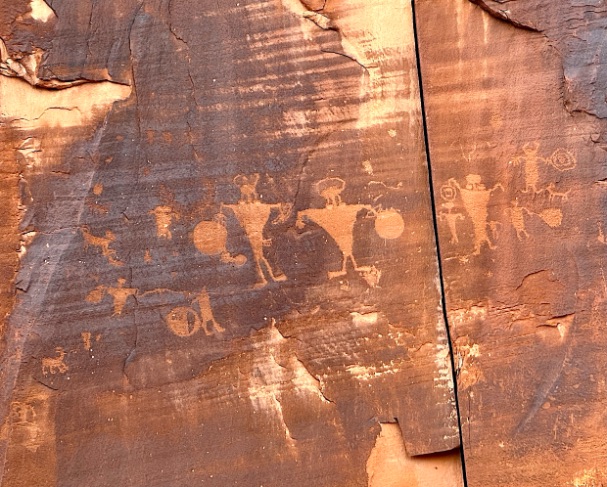
Dead Horse Point State Park
Our two days and nights in Moab flew by with so many fun activities to keep up busy. We packed, had an early breakfast at Cactus Jacks in downtown Moab, and then headed to nearby Dead Horse Point State Park. This state park, about 40 minutes from Moab, offers breathtaking canyon views, where the Colorado River winds through deep red cliffs, creating one of Utah’s most iconic and unforgettable desert landscapes.
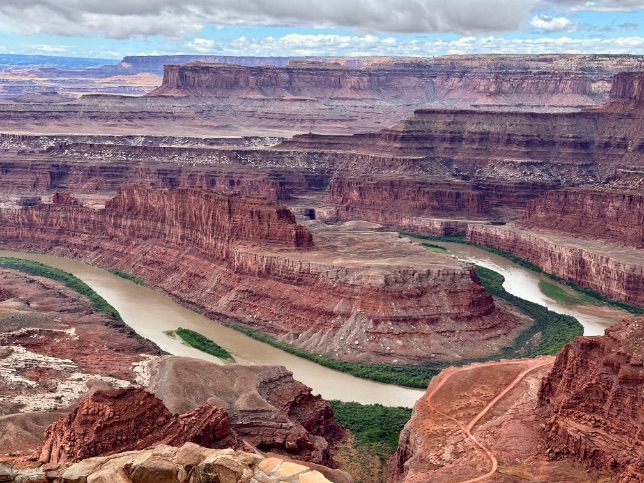
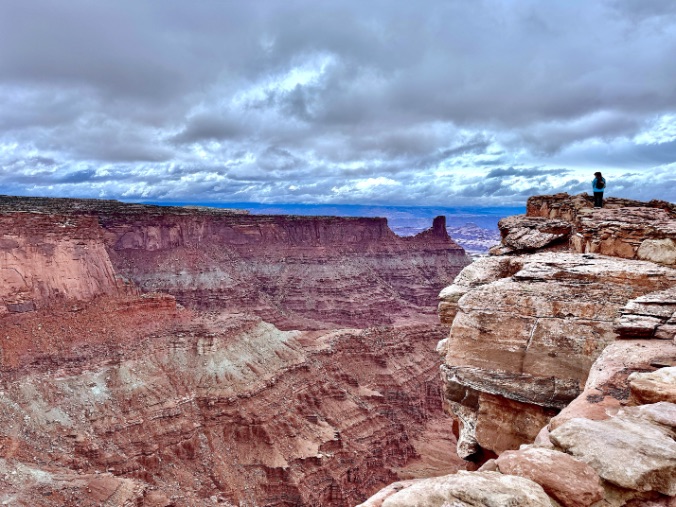
Canyonlands National Park
Canyonlands is a short 20-minute drive from Dead Horse Point State Park. Instead of taking the dirt and gravel Shafer Trail the day before to get to Canyonlands, we took the nicely paved Grand View Point Road into Canyonlands to the Island in the Sky Visitor Center. A word of caution on this road. This is the site of an open range cattle ranch, and we saw dozens of cows on the road and just off the shoulders, so be aware.
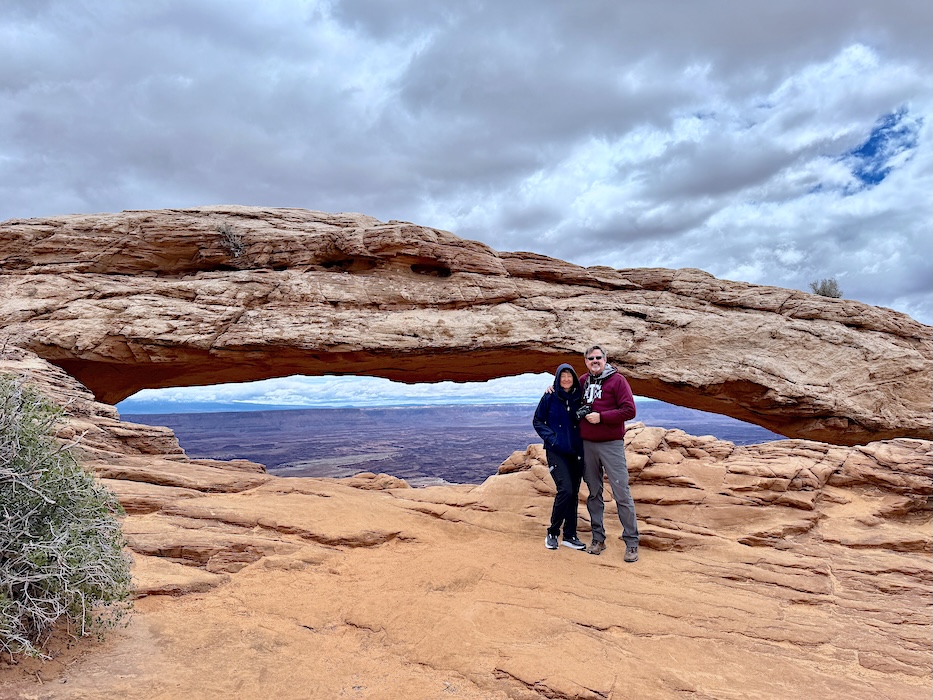
Canyonlands National Park is a vast wilderness of dramatic canyons, towering mesas, and endless desert views carved by the Colorado and Green Rivers. The Island in the Sky district offers some of the park’s most spectacular overlooks, including Mesa Arch, where sunrise creates a legendary glow beneath the arch. The only “crowds” we saw was about a dozen tourists waiting in line for their turn at a photo at Mesa Arch. Other scenic areas visitors can explore include Grand View Point, Green River Overlook, and the dramatic cliffs of Upheaval Dome. With fewer crowds than nearby parks, Canyonlands delivers a powerful sense of solitude, immense scale, and raw beauty, showcasing one of the Southwest’s most breathtaking landscapes.
Capitol Reef National Park
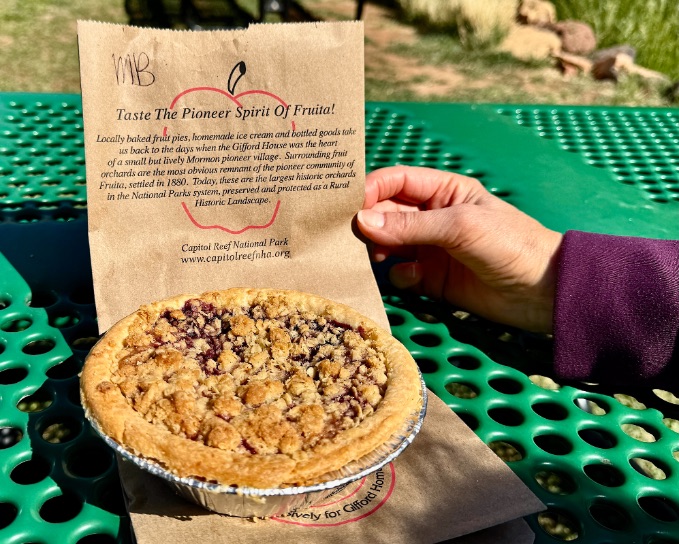
Capitol Reef National Park showcases colorful cliffs, towering domes, deep canyons, and the dramatic Waterpocket Fold, a massive geological wrinkle in the earth. Highlights include scenic drives, Hickman Bridge, Capitol Gorge, Cathedral Valley, and the historic Fruita district with orchards and pioneer heritage. Don’t miss the iconic Gifford House and its famous fruit pies! We sampled an apple pie along with a flavorful multi-berry pie, and both were delicious! We loved Capitol Reef and its peaceful trails that reveal stunning desert beauty and hidden wonders.
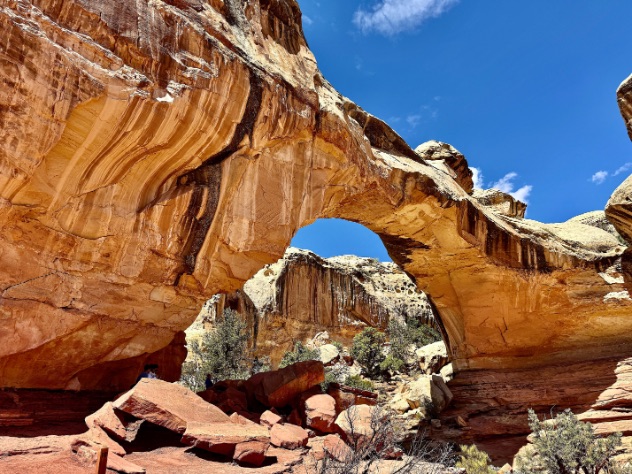
The Hickman Bridge Trail was one of my favorites. An easy-to-moderate trail twisting through the rocky terrain brought us to the somewhat hidden Hickman Bridge Arch. We walked under the arch and admired it for several minutes before looping around and returning to the trailhead. The trail is about 1.8 miles round-trip and takes just over an hour for most hikers.
We also enjoyed the Cassidy Arch Trail, a 3.5-mile round-trip, moderate-to-strenuous hike named after Wild West figure Butch Cassidy. Average time to complete this hike is about three hours, and there are stretches that are steep and challenging. Because of time constraints, we hiked about 30 minutes in and then turned back. We enjoyed the portion we did complete, but would love to hike the entire trail next time. Cassidy Arch is unique because it is one of the few arches in the Utah National Parks where you can actually walk across the top of the arch.
Bryce Canyon National Park
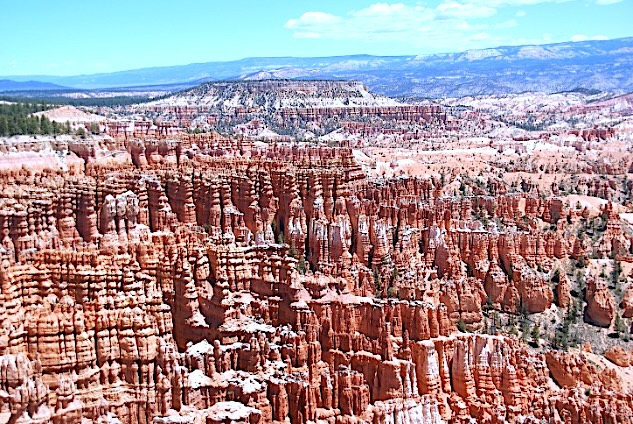
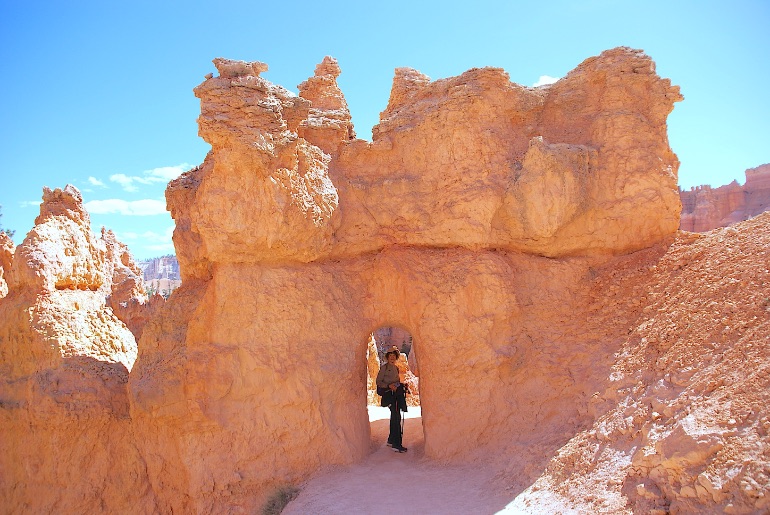
Bryce Canyon National Park is a spectacular wonderland of towering hoodoos, colorful rock spires, and dramatic amphitheaters carved by millions of years of erosion. The park’s iconic Bryce Amphitheater features endless formations glowing in shades of orange, red, and pink, especially at sunrise and sunset. Highlights include the scenic viewpoints of Sunrise Point, Sunset Point, Inspiration Point, and Bryce Point, along with unforgettable hikes through Queens Garden and Navajo Loop. With its unique landscapes, star-filled skies, and breathtaking overlooks, Bryce Canyon offers one of the Southwest’s most magical experiences.
Zion National Park
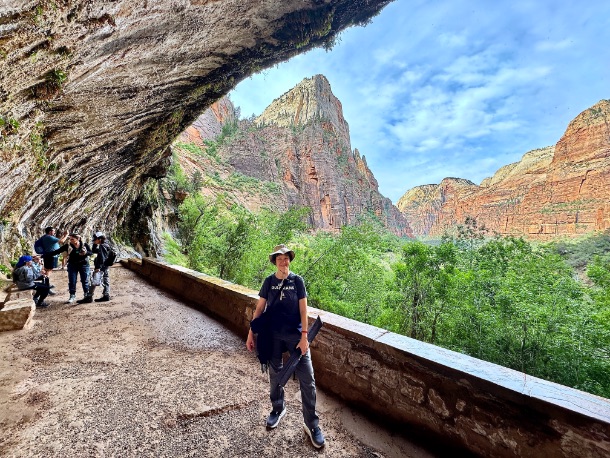
Zion National Park is a breathtaking masterpiece of towering sandstone cliffs, emerald valleys, and dramatic desert landscapes carved by the Virgin River. We entered the park at the east entrance since we were coming from Bryce Canyon National Park. We approached Zion through the Mount Carmel Tunnel, which opens up to a spectacular introduction to this remarkable destination. The park’s highlights include the iconic Angels Landing, the peaceful The Narrows, and scenic trails leading to waterfalls, overlooks, and hidden canyons. Visitors can experience the beauty of Zion Canyon, explore the Emerald Pools, and enjoy stunning views from Canyon Overlook. With its massive red rock walls, abundant wildlife, and unforgettable hiking experiences, Zion offers one of America’s most spectacular natural adventures.
We did not have a permit and skipped the popular Angel’s Landing hike, but we did have some good views of Angel’s Landing and could see why it attracted so many hikers. Instead, we enjoyed some of the less strenuous and less scary hikes and sites in Zion. During peak season, personal vehicles cannot drive through the main Zion Park Road and visitors must take the free shuttle. The park’s shuttle system seems very efficient, and we only waited about 20 minutes in line to get on the shuttle. Note that parking does fill quickly – when we arrived around 7:30 am the parking lot was almost full.
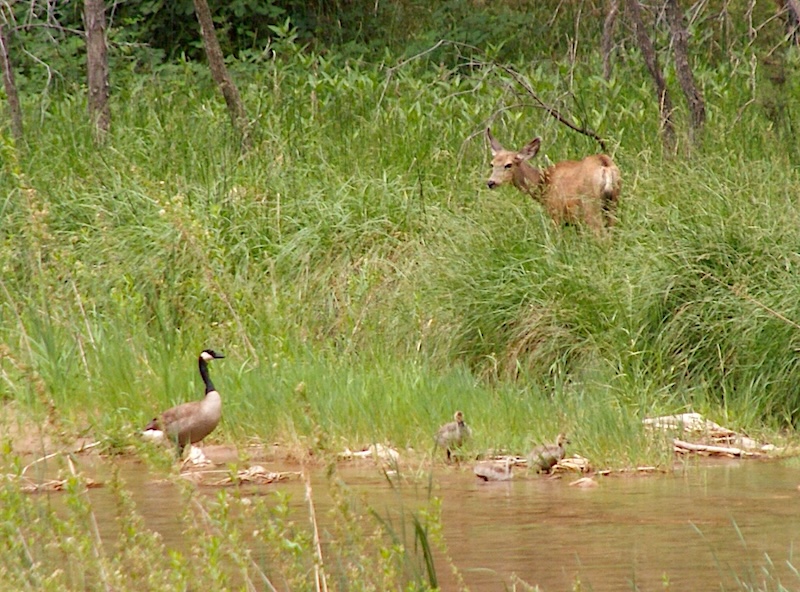
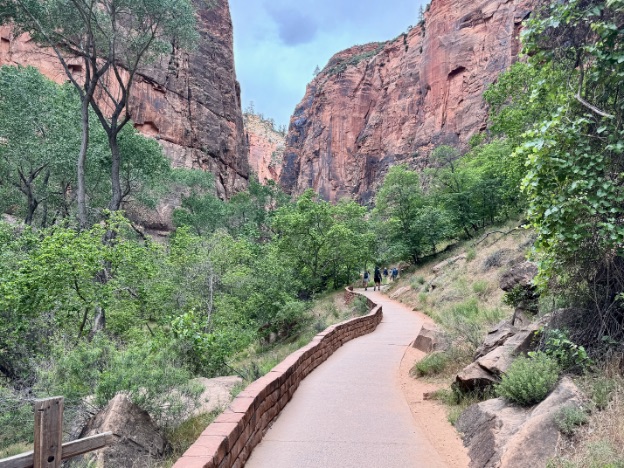
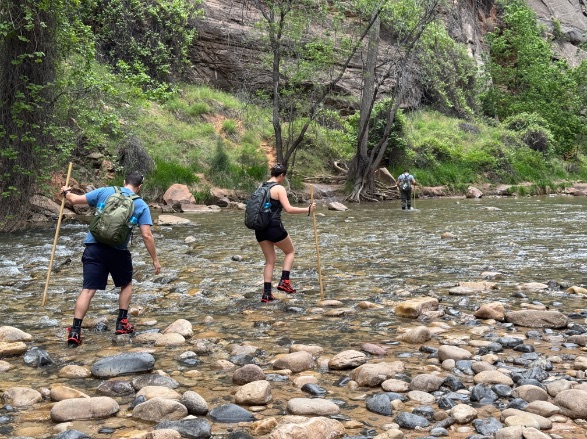
We went to the last stop and got off at The Temple of Sinawava. We took the easy but beautiful Riverside Trail along the Virgin River (about one mile in and one mile back) to the beginning of The Narrows Trail. At the end of the Riverside Walk, The Narrows Trail (Bottom Up) begins with wading through the waters of the Virgin River. The depth of the water ranges from a few inches to about four feet high at its deepest. Hikers can turn around whenever they want to, of course, with the entire Bottom Up hike at 9.4 miles round trip. For the really ambitious hiker, you can take the Top Down path and hike up to 16.8 miles if they prefer. We also walked the pretty path to the Emerald Lower Falls, the short but steep hike up to Weeping Rock, and the Grotto Trail to the Zion National Park Lodge.
Amazing Memories from Week in Utah’s Big 5 National Parks
Our one-week journey through Utah’s “Mighty 5” national parks made for long lasting memories of nature’s greatest artistry. From the towering arches of Arches National Park to the hoodoos of Bryce Canyon National Park, the canyons of Zion National Park, and the vast landscapes of Canyonlands and Capitol Reef, every day reveals dramatic scenery, unique geology, and memories that last a lifetime.