






Louisiana’s Cajun Coast
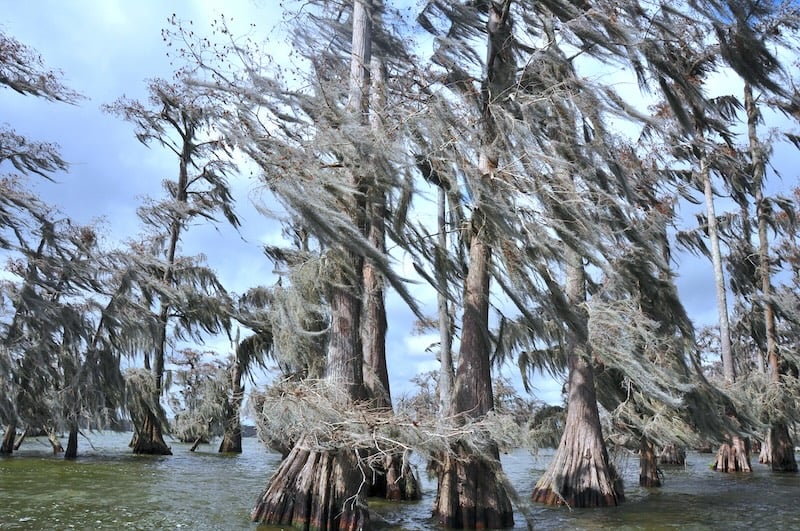
Imagine commandeering a kayak on the meandering Bayou Teche waterway, beneath moss-draped cypresses, majestic oaks, and bottomland hardwoods. The Bayou Teche snakes through Southern Louisiana, providing a 135-mile National Water Trail that flows through towns like Franklin, in St. Mary Parish, on Louisiana’s Cajun Coast.
But the beauty and mystery of the Cajun Coast go far beyond its waterways and scenic byways. The bayous, swamps, and canals made communication and travel tough, preserving local traditions, dialects, and community bonds. On a trip to the Cajun Coast, I learned about the rich history and traditions, visited the revitalized historic town of Franklin, sampled southern delicacies, met the multi-talented Captain Caviar, and marveled at Mr. Charlie, an offshore rig.
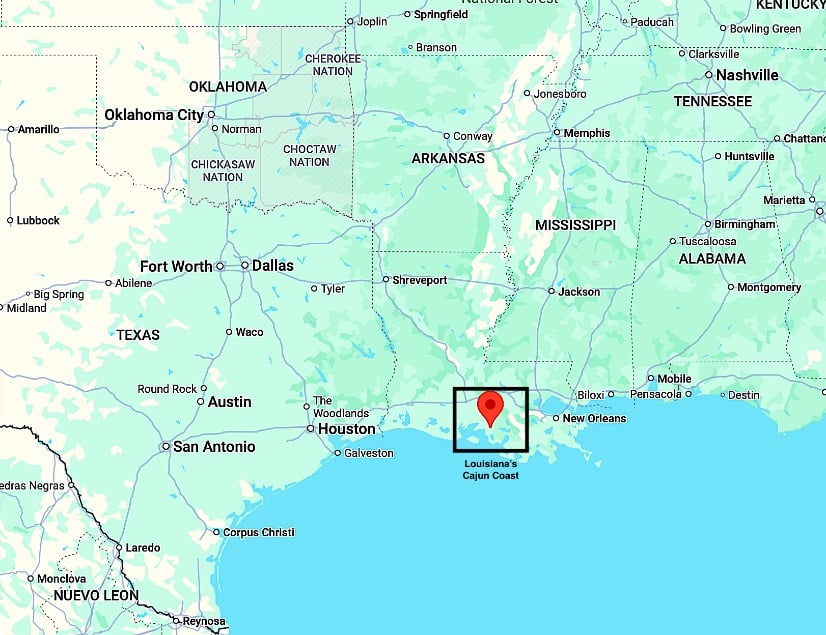
Where is the Cajun Coast?
The Cajun Coast is located in southern Louisiana, 90 miles west of New Orleans. It includes towns like Charenton, Franklin, Patterson, and Morgan City along the Gulf Intracoastal Waterway and Bayou Teche. In 2021, St. Mary Parish felt the wrath of Hurricane Ida, with extended power outages and severe wind damage. Severe weather events threaten culture and traditional livelihoods such as fishing, trapping, and harvesting.
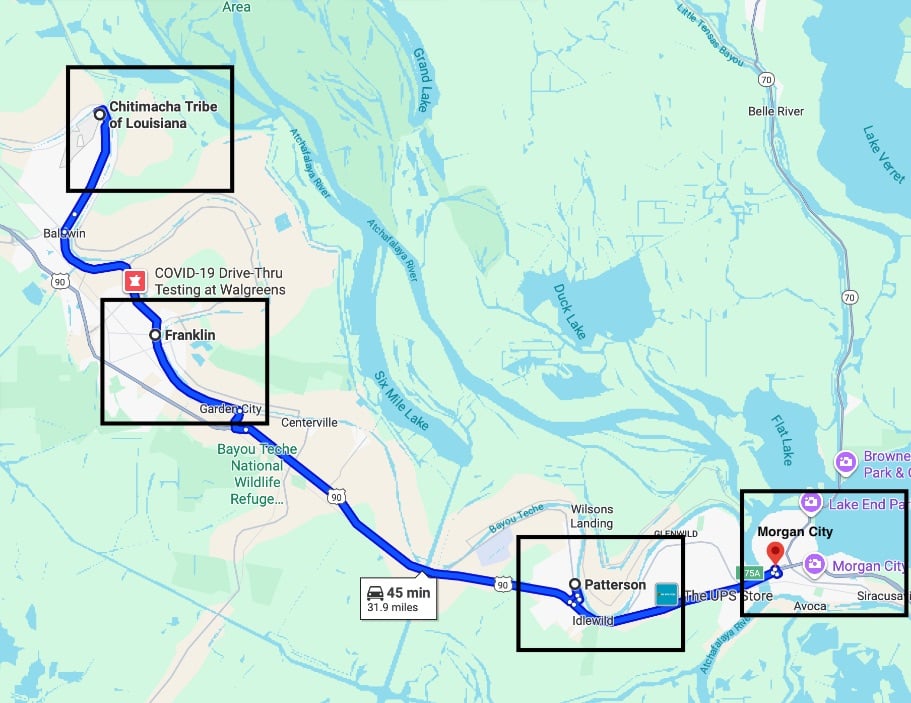
Charenton, Louisiana
Chitimacha Tribe of Louisiana
The Chitimacha Tribe operates a museum, a casino, a hotel, and restaurants in Charenton, Louisiana.
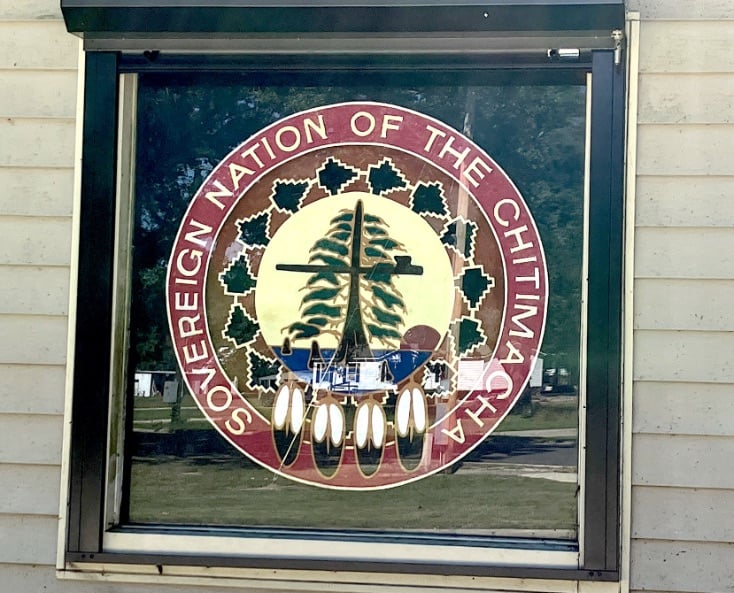
The Chitimacha Museum captures the history and traditions of the Chitimacha Nation, dating back thousands of years. The Chitimacha is the only tribe in Louisiana to occupy a portion of its native homeland. The original territory reached from the Atchafalaya Basin westward toward Lafayette, south to the Gulf of Mexico, and east to the New Orleans area. The tribe now owns 963 acres and has approximately 1300 enrolled members. The Chitimacha built elevated huts made of local materials, such as palmetto, rivercane, cypress, and mud, which were breathable and resilient. The semi-permanent structures could be relocated to higher ground depending on the season.
Rivercane was also used to make world-famous baskets. I enjoy weaving, and the intricately woven red, black, and yellow baskets are spectacular. Weavers create patterns borrowed from nature, such as alligator entrails, rattlesnakes, worm tracks, and muscadine rind. The baskets simplified the storage of food and other items, keeping them dry.
Cypress Bayou Casino and Hotel at Chitimacha Nation
I arrived at the Cypress Bayou Hotel in time for dinner. The modern, spacious lobby is decorated in hues of blue, green, and yellow, with three floor-to-ceiling stained-glass pillars. Displays of Chitimacha baskets anchor the room. The color elements carry over into the large, comfortable rooms.
Mr. Lester’s Steakhouse
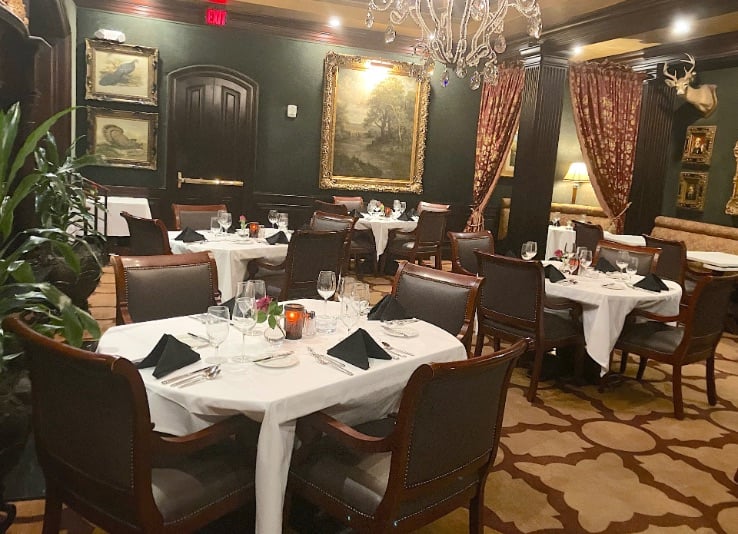
Inside the Cypress Bayou Casino, the upscale Mr. Lester’s Steakhouse exudes elegance. There’s a reason why no jeans are allowed here. The chocolate and cream-colored carpet cushions the dark wood, leather-padded chairs, and the white cloth-covered tables with brown napkins. On the walls, gold-encrusted frames surround pastoral pictures.
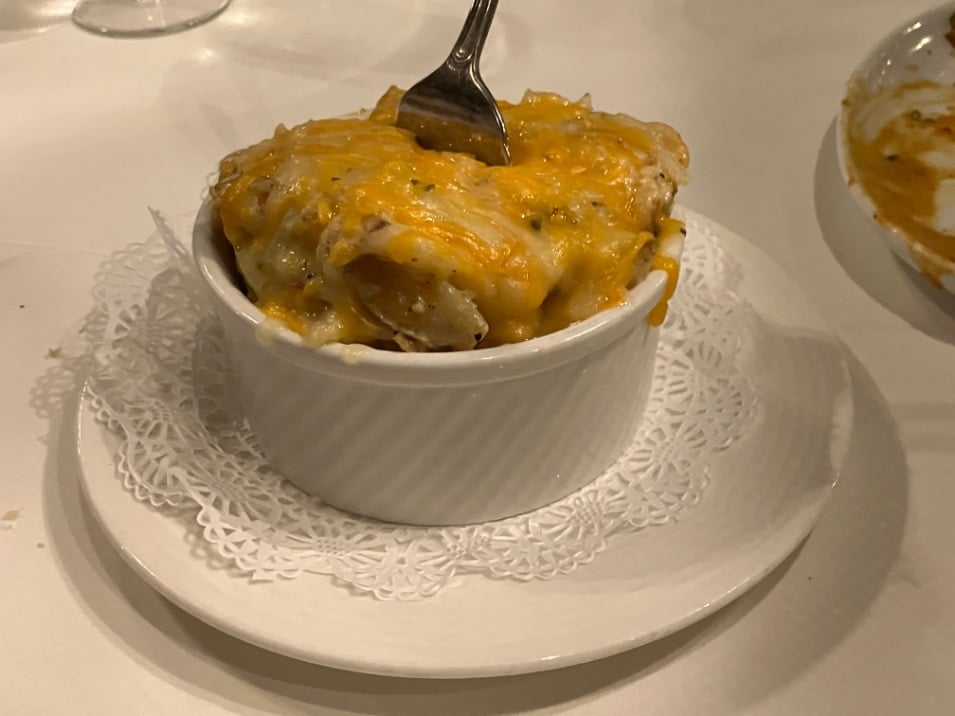
I knew that the meal was off to a great start when a basket of five different types of warm rolls arrived at the table as soon as I was seated. The fried green tomatoes had a tangy, rich, creamy sauce with bits of crawfish. I ordered the broiled lemon shrimp as an entree. The large shrimp were fresh, and the garlic-butter sauce was the perfect complement. But I couldn’t get enough of the praline sweet potatoes, my new favorite food! It’s an explosion of sweet and savory, with a smooth texture.
No visit to the Cajun Coast would be complete without a visit to Franklin.
Franklin, Louisiana
Franklin Main Street
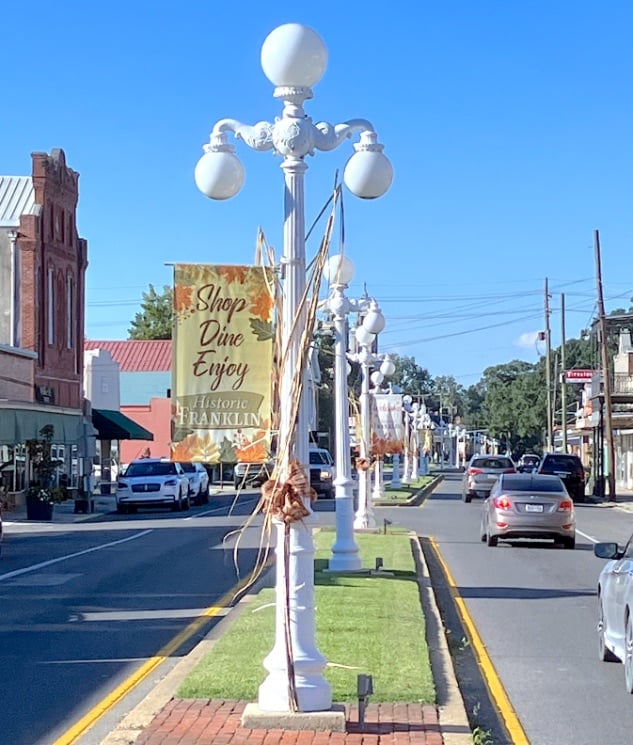
Franklin is a small city and the parish seat of St. Mary Parish. On historic Main Street, a lineup of Renaissance-style cast iron lampposts runs parallel to Bayou Teche. Many of Franklin’s over 400 historic structures grace Main Street, and were built in the Greek Revival, Queen Anne, East Lake, and Briquette-entre-poteaux architectural styles. My tour guide, Ed ‘Tiger’ Verdin, wears many hats in this town of 6600, including Public Relations Director, playwright, and arts advocate. Under his careful watch, the downtown has undergone a facelift.
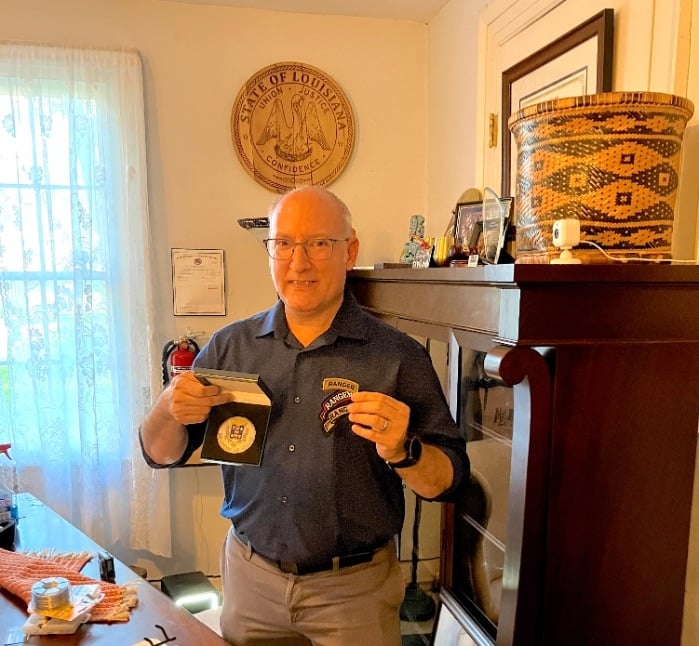
Verdin took me through Historic Downtown Franklin Pocket Park. International muralist Robert Dafford painted scenes of the Chitimacha Tribe, the Acadians’ arrival from Canada in the 1700s, the plantation era, 1900s industrial development on the riverfront, and the 2000s, featuring recreational activities on the Bayou Teche. A building campaign, whereby locals could buy a brick, paid for the Park.
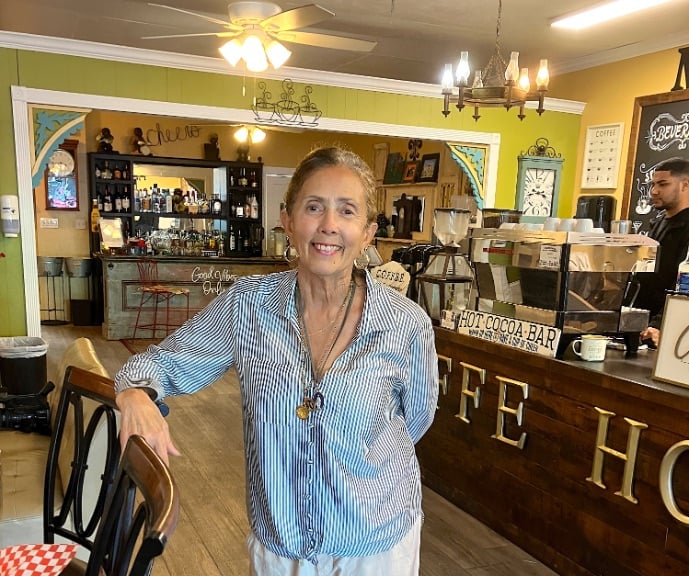
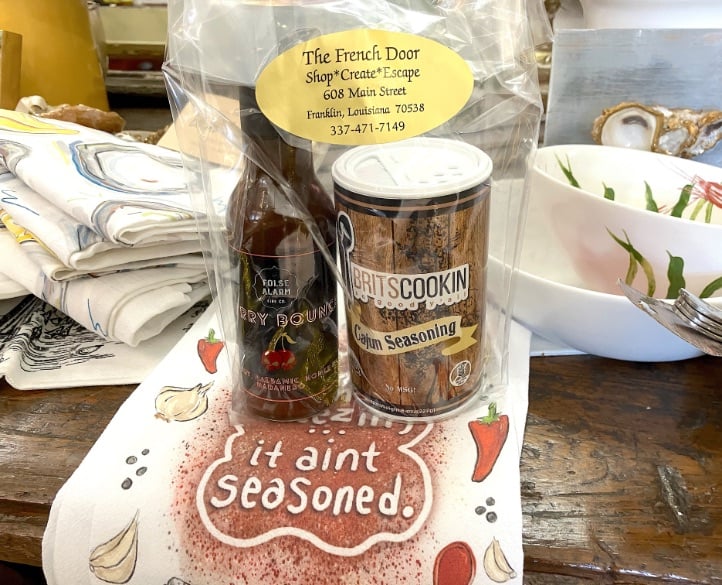
Also instrumental in the revitalization of Franklin, Diane Wiltz owns the Lamp Lighter Coffee House and Bistro. A native Franklinite, she and her New Orleanian husband also own the ice cream shop and a reception facility. The couple lives behind the Lamp Lighter. As Wiltz said, “Our house is behind the shop, and I thought, who would be a better neighbor than us?” I lapped up my lamppaccino, a cappuccino with a healthy dose of whipped cream. The beignets were the best I’d eaten so far, warm and soft with ample icing sugar. Other fabulous stores on Main Street are The French Door and Gather On Main Vintage Market & Studio.
Patterson, Louisiana
Captain Caviar Swamp Tour
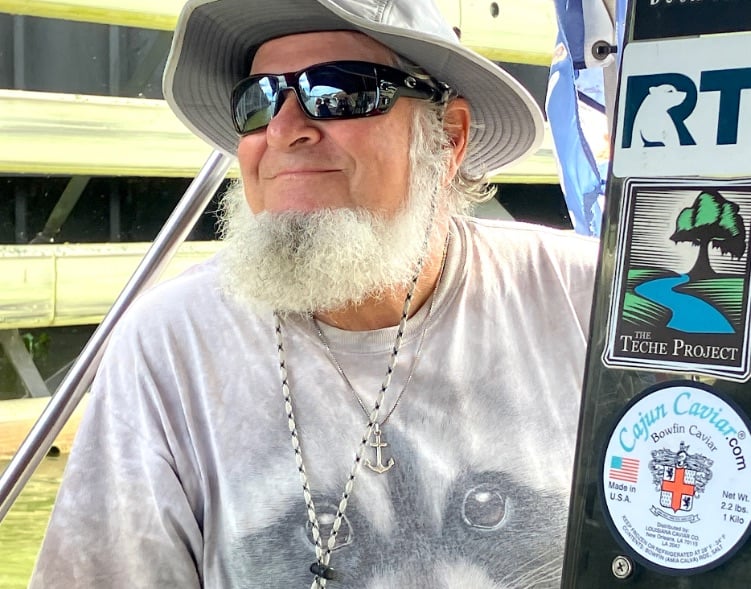
I arrived in Patterson, Louisiana, for a swamp tour and met Captain Caviar. The name “caviar” came from his discovery that bowfin, a cousin of the sturgeon, could be used to make the high-end spread. Captain Caviar recounts ghost stories on ‘Miss S’, a 20-foot flat-bottom boat. One ghost story involves his parents’ antebellum home that served as a hospital during the Civil War. The myserious echoes and eerie sounds turned Captain Caviar’s sceptical doctor father into a believer in the supernatural. The ghost stories gave me goosebumps. At the end of the tour, he spread his own caviar on crackers for us to try. The caviar had a salty, briny taste, with hints of cream, and a smooth texture. Overall, the tour exceeded my expectations.
Morgan City, Louisiana
Mr. Charlie’s Rig Museum
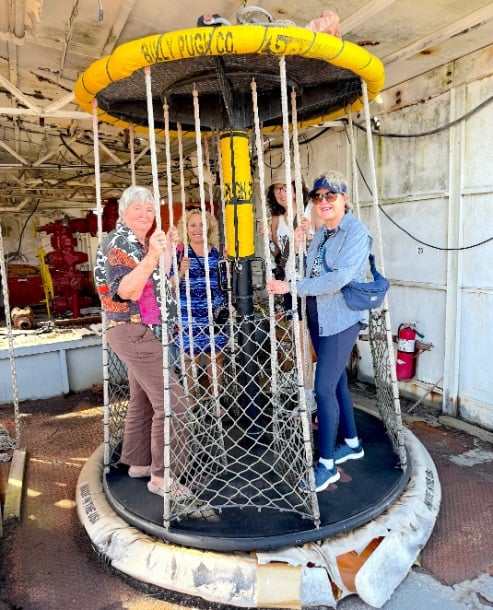
I climbed aboard “Mr. Charlie”, an offshore drilling rig museum in Morgan City, named for Charles H. Murphy, the head of Murphy Oil. From 1954 to 1986, the retired rig created over 200 wells, mainly along the Gulf Coast. Mr. Charlie could move anywhere and be totally self-sufficient, making its own electricity. Workers spent two weeks on the rig at a time. After touring Mr. Charlie, I was ready for lunch.
Atchafalaya Café
The Atchafalaya Café on Morgan City’s main drag is a stop on the “Shrimply Delicious Food Trail”, along Highway 90 on Louisiana’s Cajun Coast. I savored the shrimp po’boy with a side of breaded fried okra. Not only is the food fantastic, but weekly live music also draws locals and tourists.
A Great Time on the Cajun Coast
I thoroughly enjoyed my time on the Cajun Coast, learning the rich history, sampling southern fare, and hearing Captain Caviar’s scary stories. If you find yourself traveling in southern Louisiana, be sure to check out this intriguing area of the Cajun Coast.
Many thanks to cajuncoast.com for hosting this trip. All opinions are my own.
If You Go ………..
If you go, take a side trip to Houma, Louisiana, in Terrebonne Parish. If you go in October, consider participating in The Rougarou Fest 2026:
You can stay at the Courtyard by Marriott in Houma, steps from the Festival.
Eat at A-Bear’s Cafe, a local hangout with Cajun specialties.
Hold a baby gator at Greenwood Gator Farm.
Taste southern cooking at Boudreau and Thibideau’s Cajun Cooking.
Grab a coffee at Downtown Jeaux in Houma and visit the sets of Where the Crawdads Sing.
Check out the Regional Military Museum in Houma.
Take a hike on the Mandalay Nature Trail.


