










Introduction and Map of Hanoi, Ninh Binh, and Halong Bay
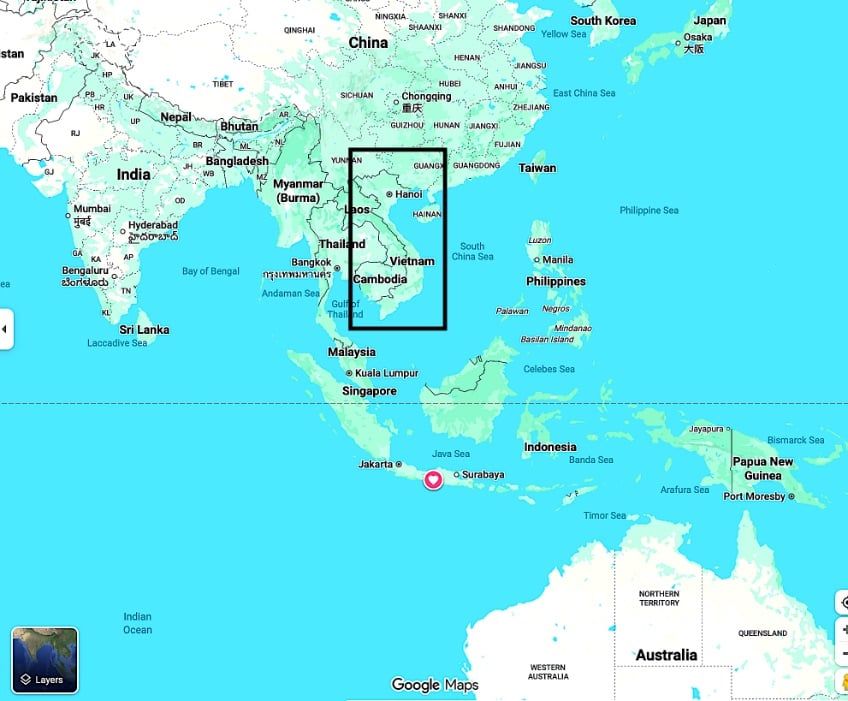
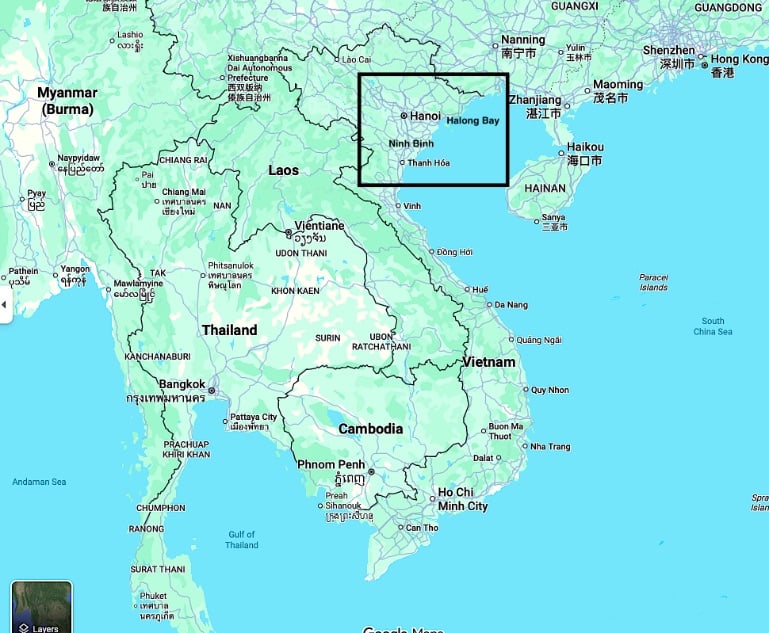
Northern Vietnam, home of Hanoi, Ninh Binh, and Halong Bay, is an amazing destination, full of intriguing history, religious sites, a variety of food options, and spectacular landscapes. Hanoi is the capital of Vietnam, with about eight million people – and seven million scooters! We spent a week in the French Quarter and in the Old Town, both interesting areas near Hoan Kiem Lake, in the heart of Hanoi. I’ll take you through the streets of Hanoi, visit markets, shops, restaurants, museums, and religious sites. We then traveled an hour south to Ninh Binh, the former capital, where we climbed limestone steps up to picturesque pagodas and monuments. We drove through rice fields and floated the tranquil Ngo Dong River through karst caves in traditional sampans. Finally, we spent a day in majestic Halong Bay, shown in the bottom right map below, one of the top tourist attractions in Southeast Asia.
Old Town and the French Quarter of Hanoi
Hanoi’s Old Town, often referred to as the Old Quarter, is the cultural and historical heart of Vietnam’s capital. Known for its bustling streets, French colonial architecture, and centuries-old traditions, these areas offer visitors a unique glimpse into local life and history. The Old Quarter largely lies to the north and west of Hoan Keim Lake, while the French Quarter lies south and southwest of the lake.
Top Attractions in Old Town and the French Quarter
Hoan Kiem Lake and the Ngoc Son Temple
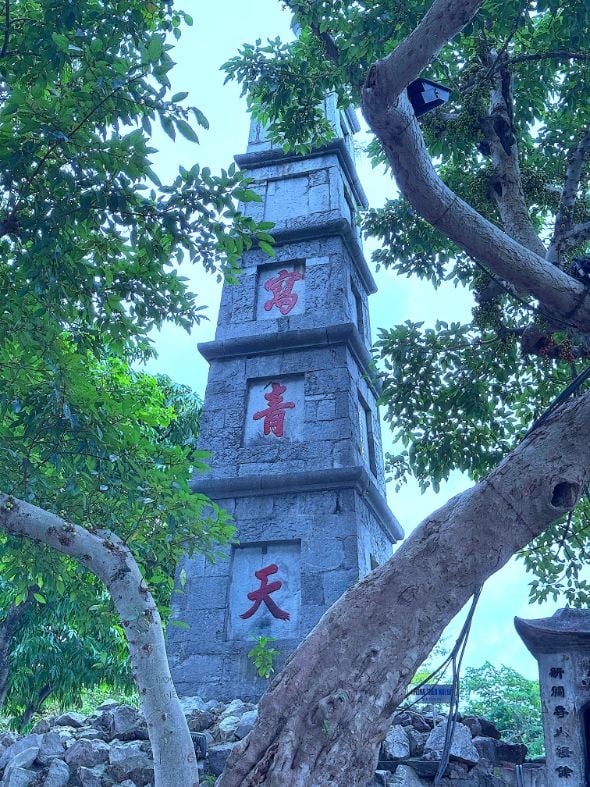
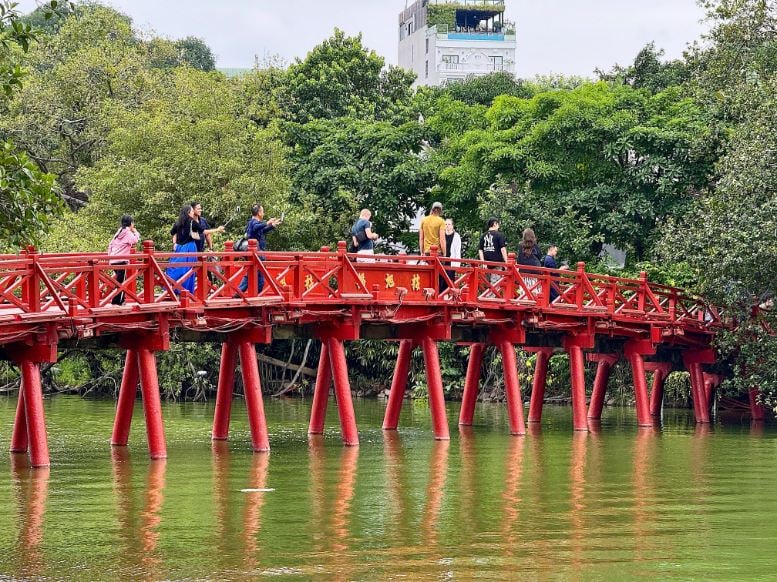
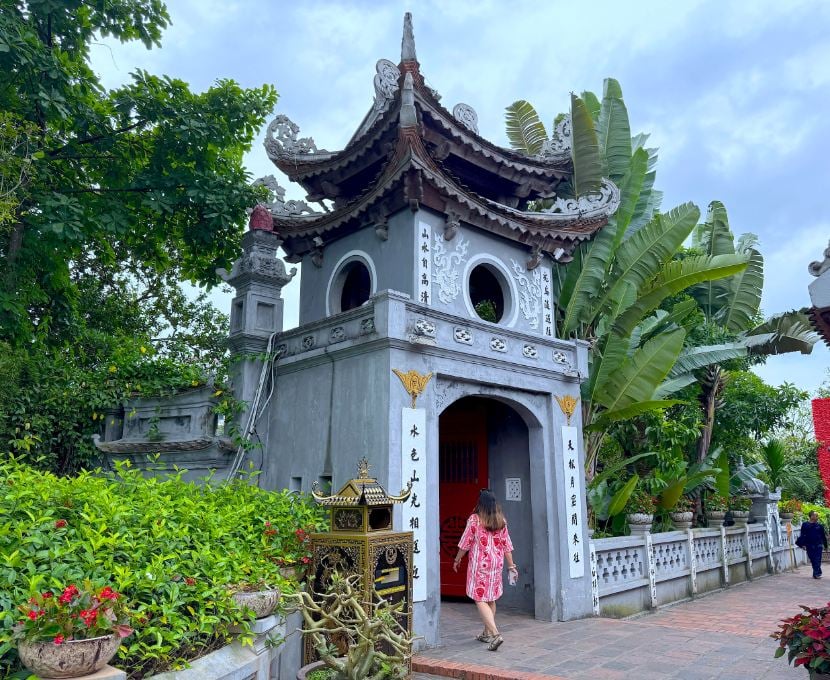
Hoan Kiem Lake is centrally located in Hanoi, with the Old Quarter just north and the French Quarter just a short distance to the south. Hoan Kiem Lake is a tranquil oasis amid the city’s hustle and bustle. The iconic red Huc Bridge on the northeast part of the lake leads to Ngoc Son Temple, an important spiritual site steeped in legend. Sitting on a small island in Hoan Kiem Lake, the Ngoc Son Temple is dedicated to General Tran Hung Dao and several other Vietnamese heroes. It is accessible via the picturesque red Huc Bridge.
St. Joseph’s Cathedral
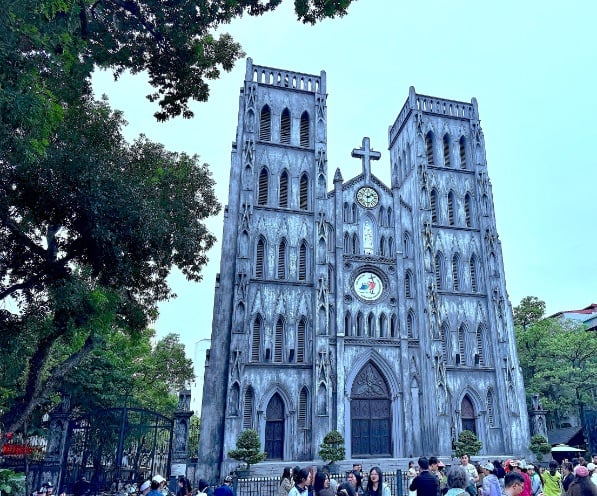
The French Colonial St. Joseph’s Cathedral was built in the late 19th century in Northern Vietnam. This neo-Gothic cathedral is a prominent landmark located just a short walk from the heart of the Old Quarter and Hoan Kiem Lake. It is often compared to Notre Dame in Paris because of its Gothic style and twin bell towers. St. Joseph’s was one of the first Western style structures built in Hanoi and remains an active place of worship. The surrounding area is full of locals enjoying restaurants, bars, and shopping.
Ta Hien Street (Beer Street)
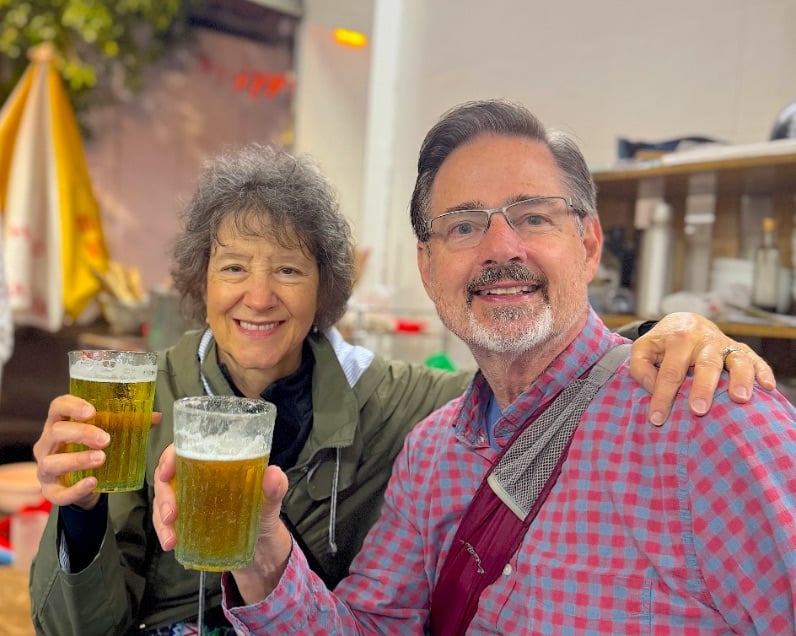
Known as “Beer Street,” Ta Hien comes alive at night with vibrant bars and local eateries. It’s popular among both locals and tourists for its lively atmosphere and affordable drinks. Many of the bars in Northern Vietnam offer the popular Hanoi Beer, a light brew sure to satisfy your thirst. They also offer a long list of green rice beer and other local and international beers.
Spices Villa Restaurant in the Old Quarter
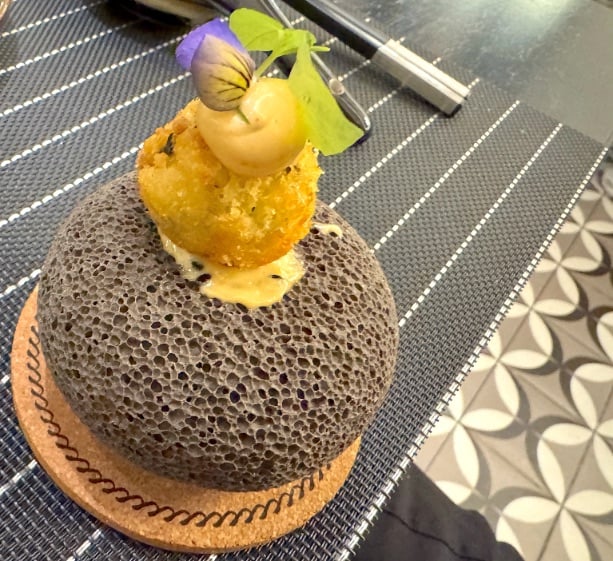
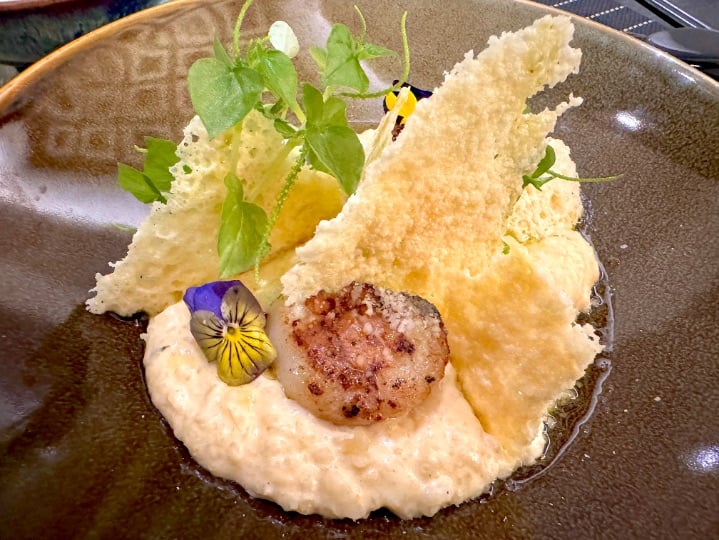
One Friday evening we dined at Spices Villa Restaurant in the Old Quarter. This popular fine dining venue combines the elegant ambiance of a 140 year old French colonial villa with Asian and European influenced dishes. Our outstanding server, John, was friendly, professional, and helpful. We started with a delicious cheese puff as an appetizer – yum! Julie was happy with her flavorful seabass wrapped in a lotus leave with lemon, white wine, olives, and cherry tomatoes. I chose the pan-seared scallops with risotto, and cherished every bite. Both were excellent. Spices Villa also offers many traditional Vietnamese dishes like Bun Cha, Pho noodle soup, spring rolls, fried rice, and other Vietnamese specialties.
We enjoyed our quiet table in an elegant setting in a beautiful French villa. During our time at Spices Villa, we noticed a large number of customers headed to various dining rooms throughout the villa. Apparently many folks have discovered this wonderful restaurant. Spices Villa also offers afternoon tea and a cooking class that also features a trip to the local market. Do yourself a favor, and if you happen to find yourself in Hanoi, treat yourself to the culinary delights at the fabulous Spices Villa.
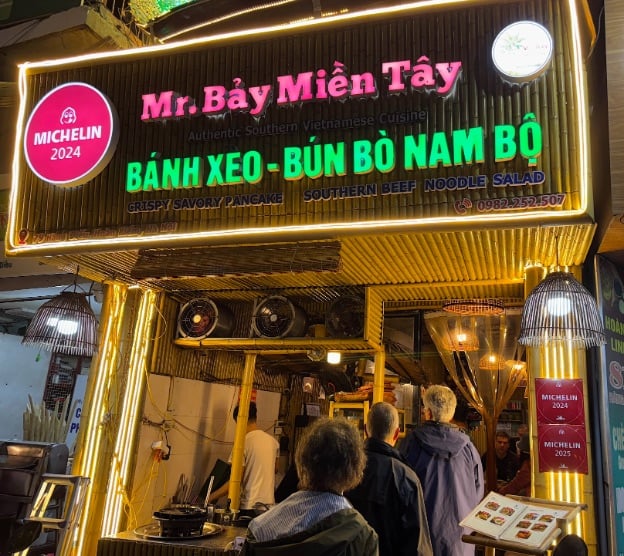
Michelin-starred Mr. Bay Mien Tay
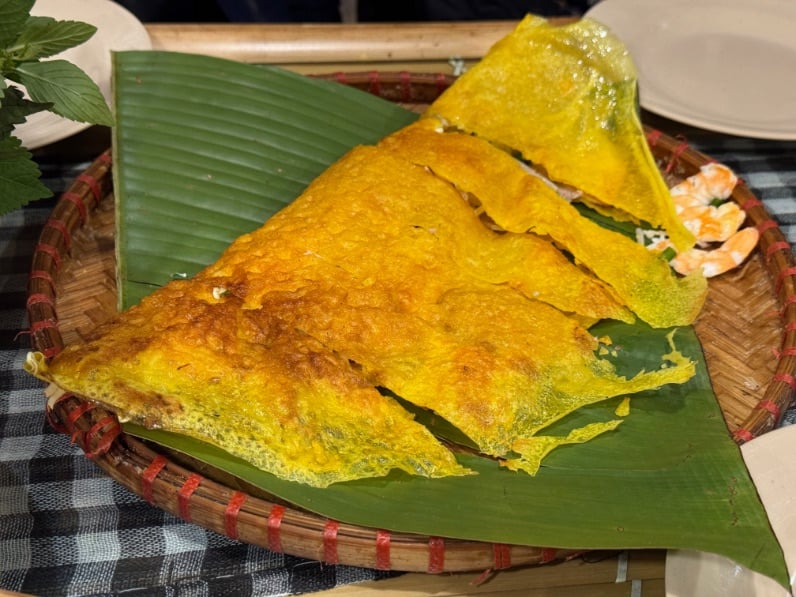
We ate at Michelin starred Mr. Bay Mien Tay, famous for their award-winning Vietnamese pancakes. For over a decade, this small shop has been known for its crispy bánh xèo pancake with various fillings. Our pancake was filled with pork belly, shrimp, bean sprouts, mung beans, and sliced onions. Made fresh to order, the pancakes were crispy and flavorful.
Ha Noi Cooking Class
Julie and I attended the AZ Ha Noi cooking class with two other young ladies in the Old Quarter. From an extensive menu of dishes popular in Northern Vietnam, our group chose three dishes to make:
BUN CHA – Grilled pork belly in dipping fish sauce served with fresh noodles and local herbs
PHO BO HA NOI – Rice Noodle Soup with Beef
NEM RAN CHAY – Spring Rolls with pork and vegetables
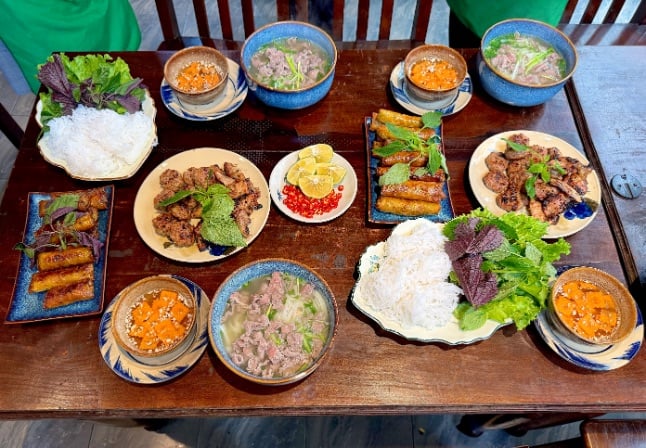
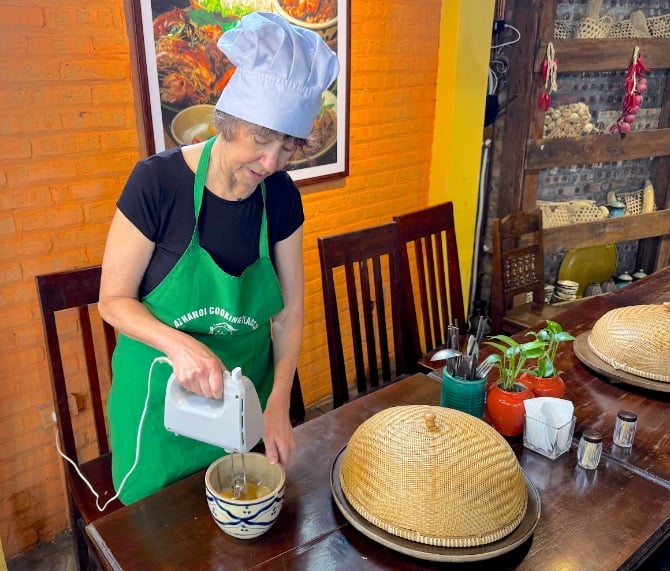
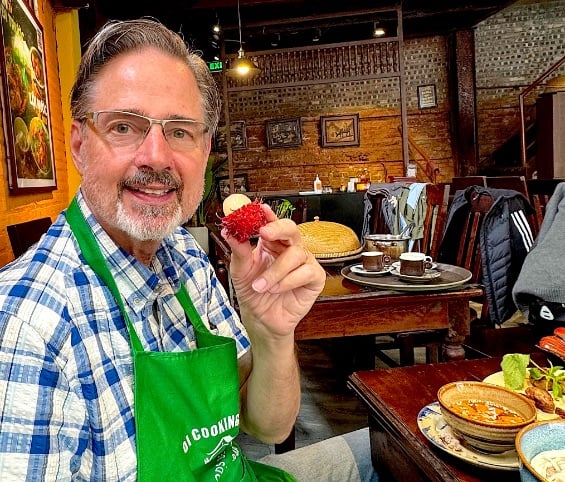
After choosing our dishes, our whole group went to a local food market with our guide and the chef to buy fresh ingredients. It was very interesting to see the wide variety of foods at the market, from fresh meat, fish, and a large selection of fruits and vegetables. Once back at the restaurant for the cooking class, each of us was tasked with chopping, cutting, wrapping, mixing, and cooking our dishes. The entire class was fun, informative, and very hands-on, and I would highly recommend it to anyone interested in learning how to make genuine Vietnamese dishes. Our hard work was rewarded by a lovely lunch for the four cooks in our group.
On the Streets of Hanoi
There is so much to see and do walking the streets of Hanoi. As the largest indoor market in Hanoi, Dong Xuan Market is a bustling hub for shopping, street food, and local handicrafts. Much of the merchandise is sold wholesale, like an Asian version of Costco. We saw bulk bags of spices, cashews, mushrooms, noodles, and so much more. Almost anything you might need for daily life is available at The Dong Xuan Market.
The Old Quarter is famous for Hanoi’s Historic 36 ancient streets, each historically specialized in a particular trade, such as silver, silk, or herbal medicine. We stayed at Viet Hotel on Hang Bac Street, known for its historical silver markets. Wandering these lanes reveals a fascinating tapestry of local commerce and tradition. As always in Hanoi, pedestrians need to be cognizant and very careful of the sprawling traffic of cars and scooters going every which way.
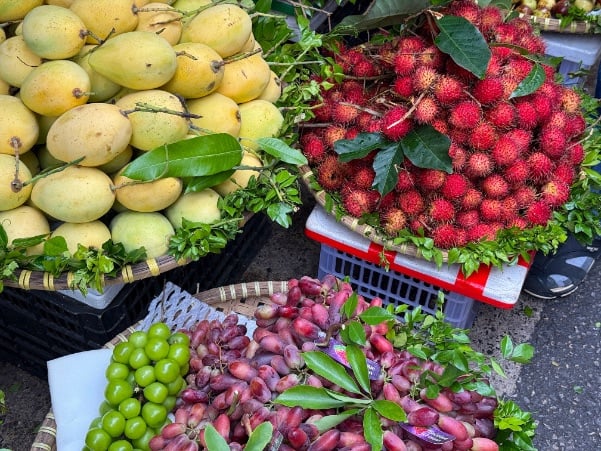
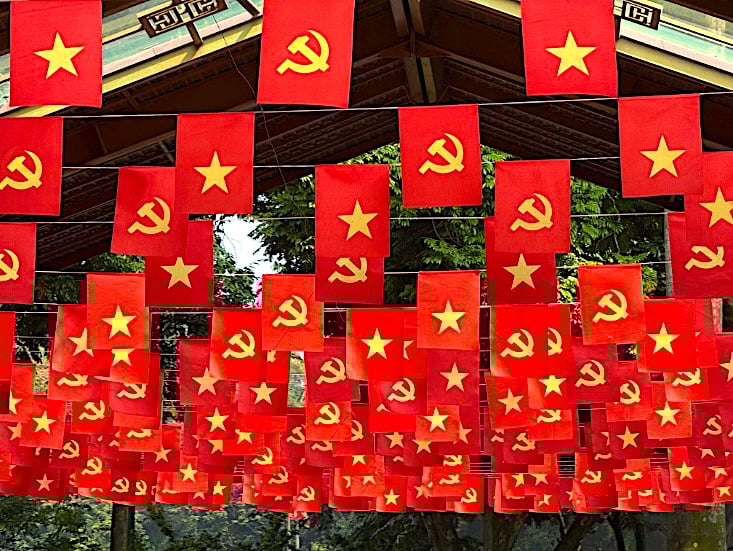
Every weekend, the crowded streets of the Old Quarter transform into a vibrant night market, featuring food stalls, vendors selling souvenirs, and cultural performances. Vehicular traffic is prohibited on certain streets, which makes walking through the market a bit safer – but still crowded with pedestrians. We found this market very interesting, with large crowds and a huge variety of products. However, we felt we could find these same products at the many street side markets throughout Hanoi.
Traditional Water Puppet Theater and Frog Garden, Hanoi’s Oldest Fountain
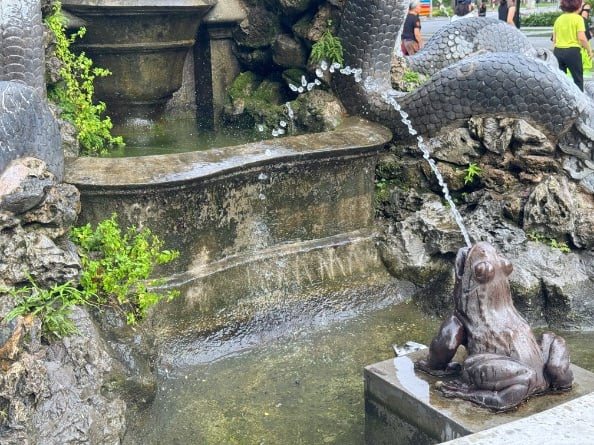
A very popular activity for locals and visitors alike is Vietnam’s ancient art form of water puppetry at the Thang Long Water Puppet Theater, located near Hoan Kiem Lake. This cherished traditional performance blends history, humor, romance, music, and conflict for an entertaining show. The historic Frog Garden near the Hanoi Opera House is the oldest fountain in Hanoi. Also known as Dien Hong Flower Garden and Con Coc Flower Garden, the Frog Garden is a whimsical blend of history, nature, and beauty. Stone dragons and frogs adorn this landmark fountain with French and Eastern influences. On the day I passed by the Frog Garden the plaza was full of activity, with dancers, badminton players, and locals relaxing near the fountain.
Tran Quoc Pagoda
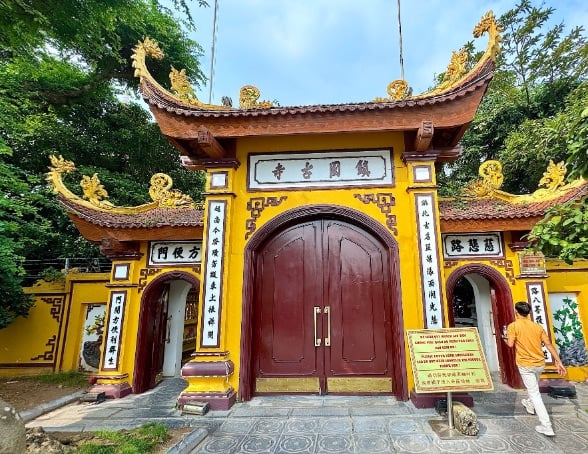
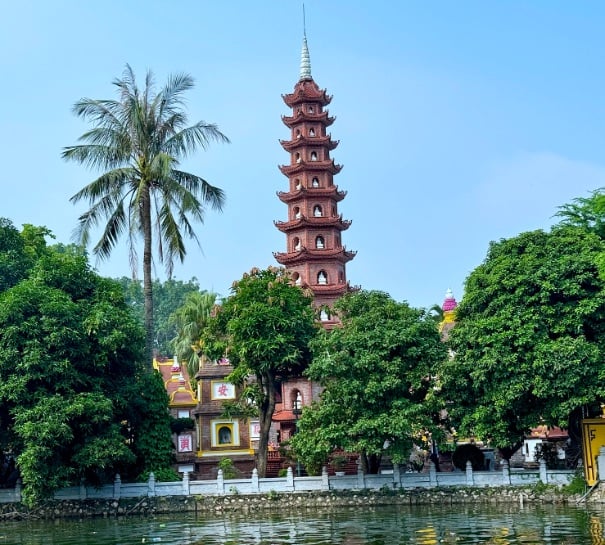
Tran Quoc Pagoda is the oldest pagoda in Hanoi. It was built in 541 in the Early Ly Dynasty, originally named Khai Quoc Pagoda. The pagoda is located on a small island in West Lake. Visitors can enter the pagoda at the main gate on Thanh Nien Street. The tallest and most prominent feature inside the pagoda’s walls is the 11-Story Stupa (Bao Thap) – a majestic red-brown tower. This hexagon shaped tower has eleven stories. Each side on each story consists of arched doorways holding white gemstone statues of Amitabha Buddha, a reminder of the Buddha’s teachings and the path to enlightenment.
Temple of Literature
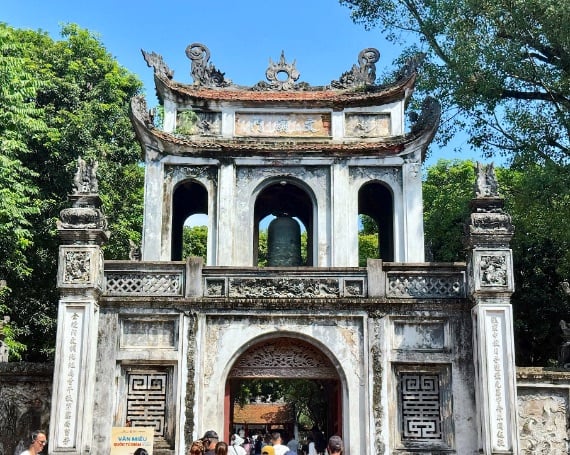
Founded in Hanoi in 1070 by Emperor Lý Thánh Tông, The Temple of Literature (Văn Miếu – Quốc Tử Giám) is Vietnam’s oldest university and a prominent Confucian shrine. Dedicated to the Chinese philosopher Confucius, The Temple of Literature housed Northern Vietnam’s Imperial Academy starting in 1076. The complex features five courtyards with pavilions, ponds, elegant gateways, lush gardens, and red-tiled roofs spread over 13 acres. One highlight includes the 82 stone stelae on tortoises inscribed with esteemed student’s names from royal exams. The blend of Vietnamese and Chinese influences is very evident in this beloved Hanoi landmark.
Hoa Lo Prison, the “Hanoi Hilton” of the Vietnam War
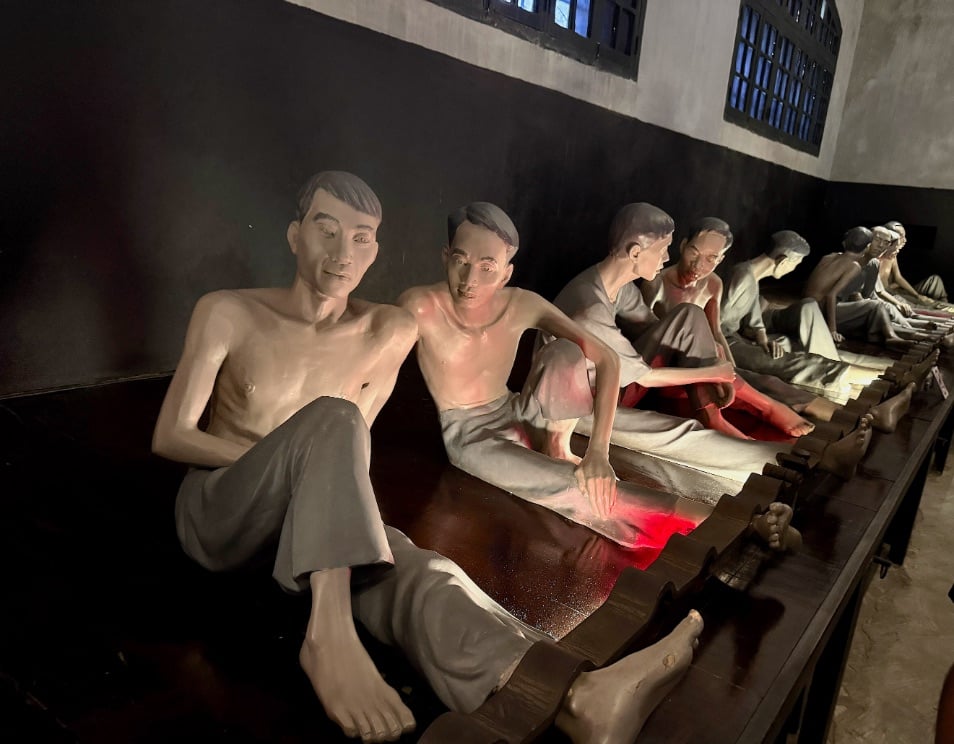
War is hell, and the Hoa Lo Prison does a wonderful job of illuminating the many horrors and atrocities of war. Dubbed the “Hanoi Hilton” by American POWs, Hoa Lo Prison was originally built by the French in 1896 to hold revolutionaries during the French occupation. Its name translates to “fiery furnace” or “hell’s hole,” an apt description of the conditions faced by prisoners in squalid conditions over the years, featuring dingy cells, head-chopping guillotines, cruel shackles and other implements of brutal tortures and executions.
Hanoi Opera House, Vietnam’s Palais Garnier
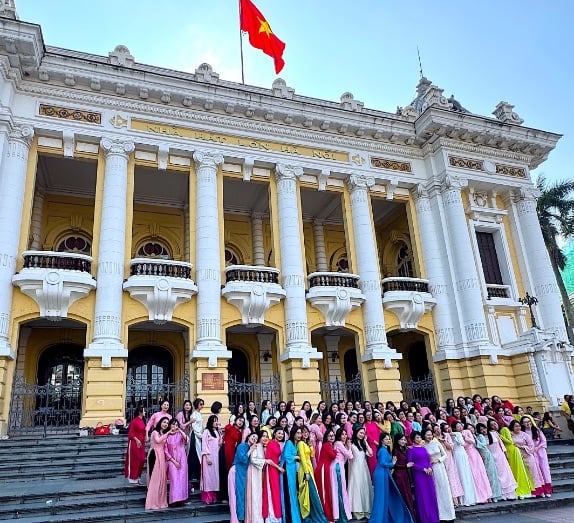
The Hanoi Opera House (Nhà Hát Lớn Hà Nội) was built by French colonial authorities in the early 1900s in central Hanoi. The Hanoi Opera House is a neoclassical masterpiece modeled after Paris’s Palais Garnier, and is an iconic landmark for the city of Hanoi. It was renovated in the 1990s to preserve its elegance amid the bustling French Quarter, just a short walk from nearby Hoan Kiem Lake. I passed by the Hanoi Opera House several times during our stay, and each time many locals and visitors gathered here for the iconic Hanoi photo.
Ninh Binh, the Halong Bay on Land
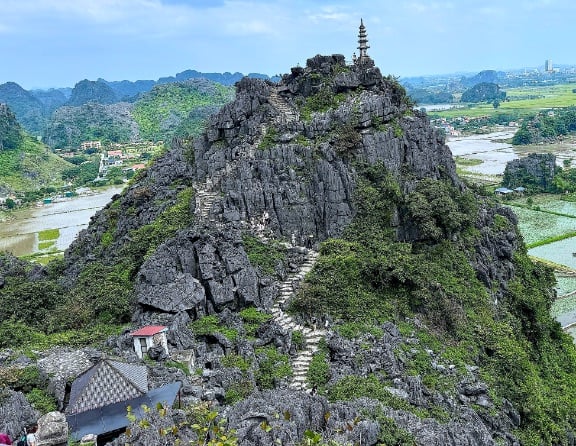
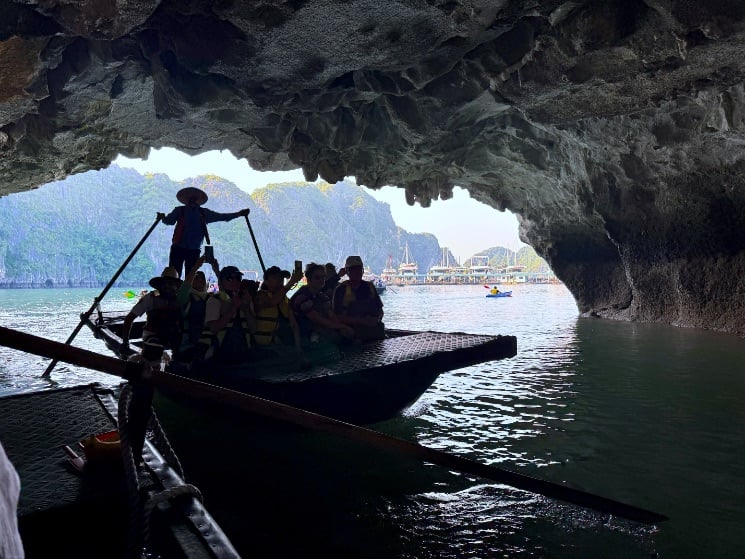
Ninh Binh is a picturesque province about 50 miles south of Hanoi in Vietnam’s Red River Delta. Ninh Binh is often referred to as “Halong Bay on land” for its dramatic limestone karsts rising from emerald rivers and golden rice paddies. I loved the landscapes and the views at Hang Mua, a beautiful area where limestone steps take visitors to higher elevations for spectacular views of lily ponds, rice fields, and the nearby village. We also went on a fun and scenic ride in Tam Coc on traditional sampans, rowed by locals with their feet. We went through several limestone caves and passed by shrines and altars among the rice fields.
Halong Bay, Vietnam’s Coastal Treasure
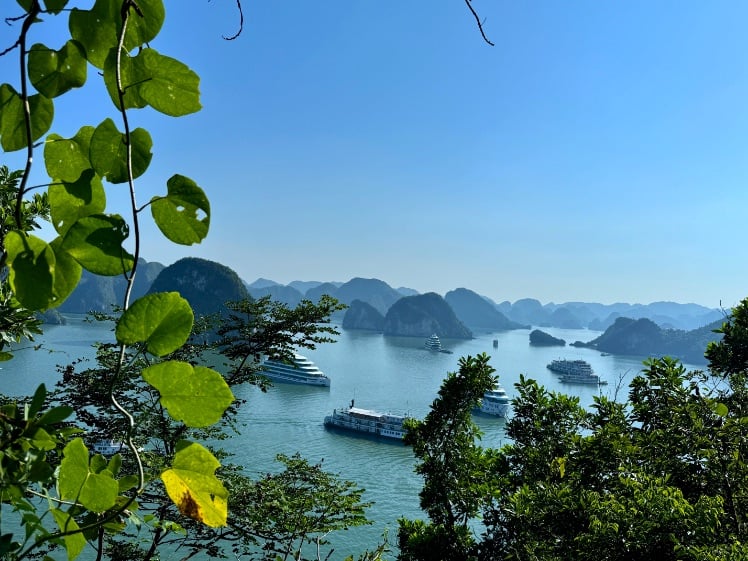
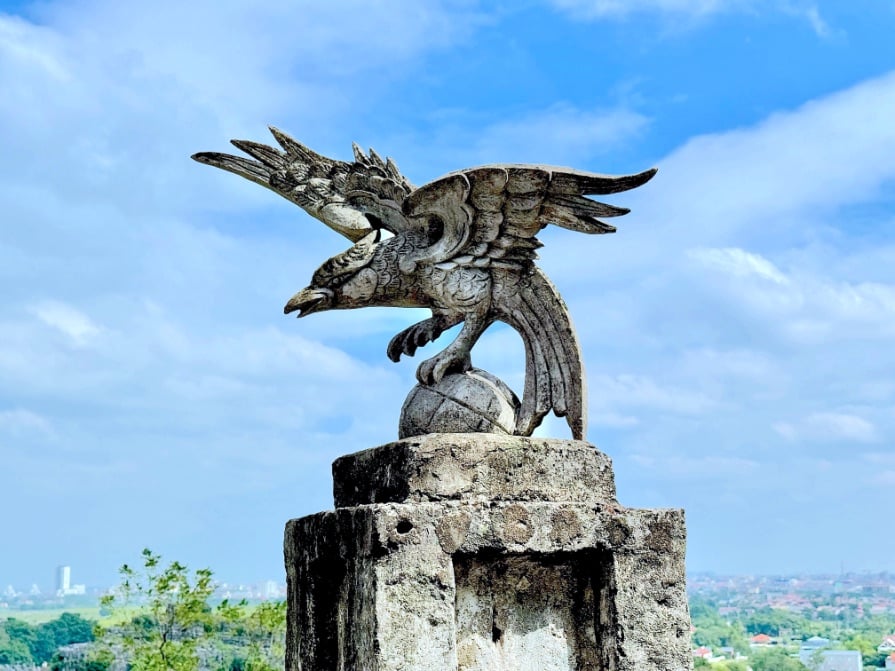
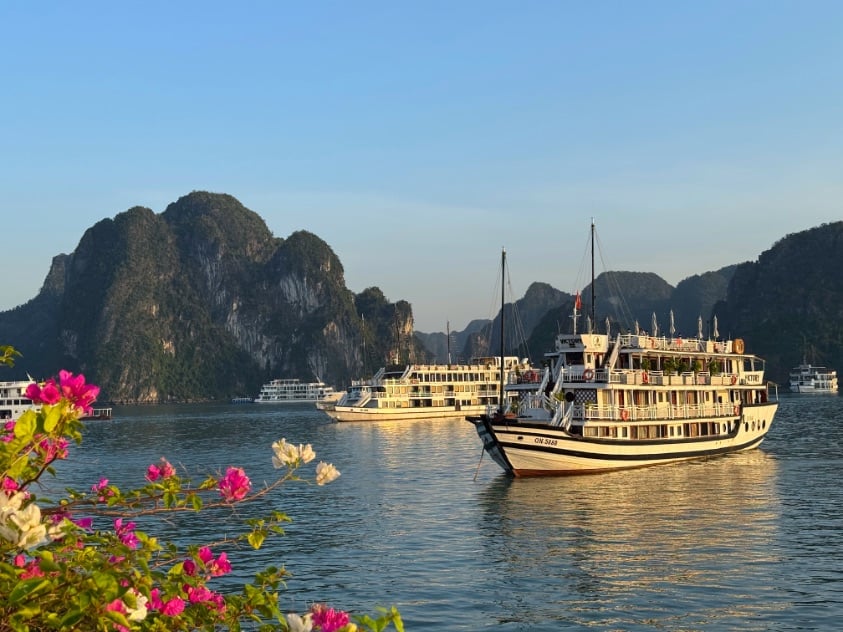
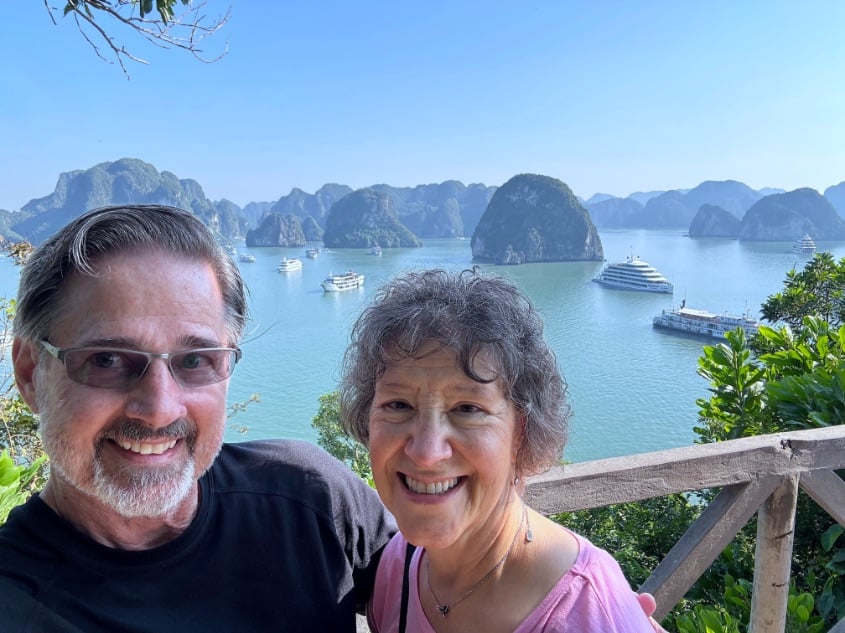
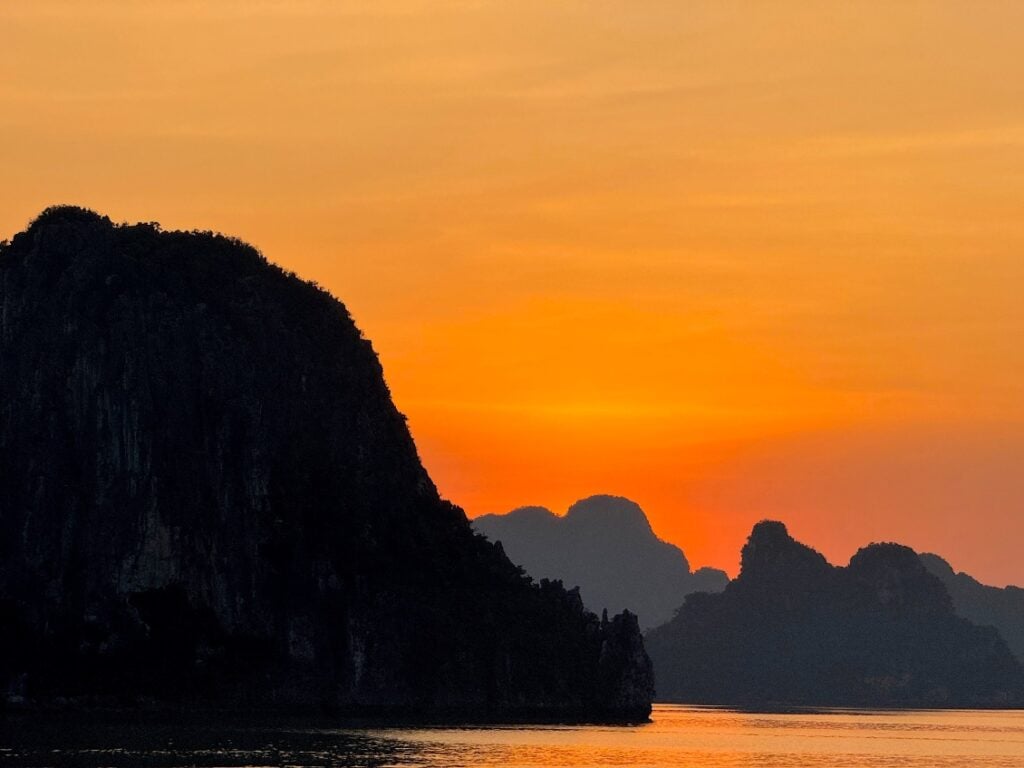
Halong Bay is a spectacular UNESCO World Heritage Site in Northern Vietnam. Its most dramatic features are the over 1,600 limestone karsts rising above the sea. Just floating on the still sea, mesmerized by these remarkable figures, was a fantastic experience. However, there are several attractions that required us to deboard that were so worth it. One of the best attractions includes Sung Sot Cave, discovered by the French in 1901. This vast cavern on three levels is a geologic wonder. At nearby Ti Top Island, over 400 limestone steps will take you to the top, with panoramic views from its summit. There is also a popular beach for swimming or chilling in the sand. As we set back to the marina at sunset, the oranges and purples on the horizon were stunning.
Northern Vietnam is Full of Wonders
Northern Vietnam has so much to offer. Our time in Hanoi, Ninh Binh, and Halong Bay was an eye-opening introduction to this wondrous part of Southeast Asia.


Wonderful piece! I’ll save it for when I visit (hopefully!)